- 31b Great Western Road Dorchester Dorset DT1 1UF
- [email protected]

Call Us
0800 193 3933
Rising electricity costs have encouraged more UK households to consider generating their own renewable energy. However, choosing solar panels involves more than selecting the most recognisable name or the panel with the highest advertised output.
The right solar installation must suit your roof, electricity consumption, available space and plans for technologies such as battery storage or electric vehicle charging.
Energizer is widely recognised for its battery products, but the brand also offers a growing range of solar energy technology. Its current range includes modern panels designed to combine strong electricity generation, durable construction and an attractive appearance.
In this guide, My Home Solar explains how Energizer solar panels work, which features matter most and what you should consider before requesting a solar panel quotation.
Energizer solar panels are photovoltaic panels that convert daylight into electricity for use within a home or commercial property.
The panels contain photovoltaic cells made from semiconductor materials. When daylight reaches these cells, it causes electrons to move and creates a direct electrical current. An inverter then converts this electricity into alternating current, which can be used by household appliances.
Your home will use the solar electricity as it is generated. Any surplus can be stored in a compatible solar battery or exported to the National Grid.
Although the Energizer name may be familiar, it remains important to compare individual panel models rather than relying on brand recognition alone. Wattage, dimensions, efficiency, warranty terms and compatibility can vary across the range.
Solar panel technology has advanced considerably in recent years. Homeowners are increasingly looking for panels that can produce more electricity from a limited amount of roof space.
The current Energizer Solar Beam range includes N Type dual glass panels with outputs extending from approximately 435W to 495W, depending on the model. Energizer also offers other Beam Series panels in different sizes and output ranges.
N Type technology has become an important trend within the solar industry because it can offer strong efficiency, good performance in changing conditions and lower degradation over time. Dual glass construction can also provide additional protection for the solar cells.
However, the panel with the highest wattage is not automatically the best choice for every property. A physically larger panel may produce more electricity, but smaller panels may allow an installer to make better use of an irregular or restricted roof.
My Home Solar will assess the available space and design the system around the property rather than simply recommending the most powerful individual panel.
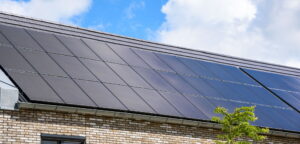
Panel wattage describes the amount of electricity a panel can produce under standard test conditions.
Higher wattage panels can help generate more electricity from fewer panels, which may be beneficial when roof space is limited. Nevertheless, the total capacity of the proposed system matters more than the rating of a single panel.
For example, the number of panels that can fit safely around roof edges, chimneys, roof windows and shaded areas will influence the final system size.
N Type cells are becoming increasingly common in new residential solar installations. They are designed to provide efficient electricity generation while limiting some of the degradation that can affect conventional solar cells.
They can also perform effectively in the varied light conditions found in the UK. Solar panels do not require hot weather to work. They generate electricity from daylight and can continue producing energy during cloudy conditions, although output will be lower than on a bright day.
Some current Energizer models use dual glass construction. This places the solar cells between protective layers of glass rather than using a conventional rear sheet.
The design can improve protection from moisture, environmental exposure and mechanical stress. This may support dependable performance across the long working life expected from a modern solar installation.
Appearance is important when solar panels will be visible from the road or garden. Energizer offers dark panels and black framed options that can create a more consistent appearance on suitable roofs.
The finished result will depend on the panel model, roof covering, mounting arrangement and overall system design. My Home Solar can explain how the proposed panels are likely to look before the installation begins.
Energizer states that product warranties of up to 30 years are available within its panel range. However, the precise product and performance warranties depend on the model supplied.
Before accepting any solar quotation, you should check:
My Home Solar can provide the relevant product information for the equipment included within your quotation.
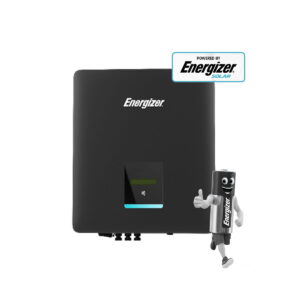
Energizer solar panels may be suitable for many UK properties, but every installation should begin with a professional assessment.
The installer will need to consider:
South facing roofs often provide strong annual generation, but east and west facing roofs can also be suitable. An east and west arrangement may produce electricity across a broader part of the day, which can correspond well with household consumption.
A survey and generation estimate will provide a far more useful indication of suitability than a general online calculation.
One of the most significant current trends in domestic solar is the move towards complete home energy systems.
Instead of considering panels in isolation, many homeowners now combine solar generation with battery storage, app based monitoring, electric vehicle charging and a suitable time of use electricity tariff.
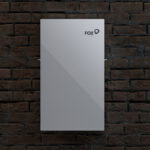
A solar battery stores surplus electricity that would otherwise be exported. You can then use that energy during the evening, overnight or whenever household consumption exceeds current solar generation.
Battery storage may help you:
The battery should be sized according to your electricity consumption and the amount of surplus solar energy your system is expected to produce. An unnecessarily large battery may spend much of its life partly empty, while an undersized battery may not store enough surplus energy to meet your needs.
My Home Solar can design a system that brings together the panels, inverter and battery rather than treating each component as a separate purchase.
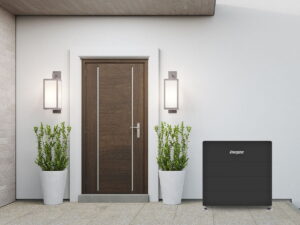
A standard grid connected solar installation will usually shut down during a power cut. This safety feature prevents the system from sending electricity into the network while engineers may be working on it.
Solar panels and a battery can provide backup power only when the system includes the necessary backup equipment and has been configured for this purpose.
The amount of backup power available will also depend on the battery charge, inverter output and circuits connected to the backup supply. If power cut protection matters to you, raise it during the design stage so that suitable equipment can be discussed.
Potential savings depend on several individual factors, including:
Households that use more electricity during daylight hours may consume a greater proportion of their solar generation directly. A battery can increase self consumption by storing electricity for later use, although its cost and expected benefit should be considered as part of the overall quotation.
A trustworthy proposal should include an individual generation estimate and realistic financial projections. It should not guarantee a particular saving because weather, consumption and electricity prices can all change.
The old Feed in Tariff is closed to new applicants. Eligible solar panel owners can instead receive payments through the Smart Export Guarantee.
Under the Smart Export Guarantee, participating electricity suppliers pay customers for qualifying renewable electricity exported to the grid. Suppliers choose their own rates, contract terms and eligibility requirements, so it is worth comparing available tariffs.
An MCS certified installation and an appropriate export meter are generally important parts of the application process. You can read the current Smart Export Guarantee guidance from Ofgem.
Qualifying installations of solar panels and electrical storage batteries in residential accommodation are currently eligible for zero rated VAT.
Under the present legislation, this temporary zero rate is due to continue until 31 March 2027. From 1 April 2027, qualifying installations are scheduled to return to the reduced VAT rate of 5 per cent. The rules depend on the property, equipment and way the products are supplied and installed, so individual eligibility should always be confirmed.
Homeowners already considering solar may therefore wish to obtain a quotation before the scheduled VAT change. Further information is available within the Government’s guidance on VAT for energy saving materials.
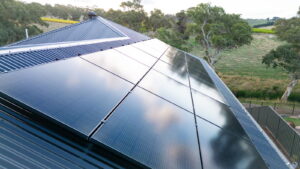
Solar panels generally require relatively little maintenance. Rainfall will remove some surface dirt, while the angle of the panels can help water and loose debris run away.
However, nearby trees, bird activity, leaves and local environmental conditions may lead to a gradual accumulation of dirt. Monitoring the system’s output can help you identify an unexpected reduction in performance.
Panels should only be cleaned using appropriate equipment and safe working methods. Homeowners should not climb onto the roof or use abrasive chemicals that could damage the panel surface.
If generation falls unexpectedly, the cause may relate to shading, debris, electrical connections, the inverter or another part of the system. A professional inspection can identify the problem safely.
Choosing the right installer is just as important as choosing the panels.
My Home Solar provides an end to end service covering system design, supply, installation and ongoing support. As an MCS certified and RECC approved installer, the company can design a solar installation around your property and electricity requirements.
The process can include:
Rather than recommending the same package for every household, My Home Solar can help you compare the available options and understand which system provides the most appropriate balance of performance, appearance and value.
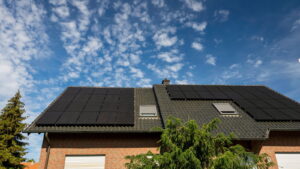
Energizer offers modern solar panels with options including N Type cells, dual glass construction and long warranty terms. Whether they are the right choice will depend on your roof, budget, required system size and the exact model available.
Modern solar panels are designed to generate electricity for several decades. Output will gradually reduce over time, which is why you should compare both the product warranty and the long term performance warranty for the specific panel.
Yes. Solar panels generate electricity from daylight rather than heat. They will continue working during cloudy weather, although their output will normally be lower than during strong, direct sunlight.
Yes, compatible battery storage can be included with a new solar installation. It may also be possible to add a battery to an existing system, subject to an assessment of the current inverter, electrical arrangement and available space.
Solar panels can supply a significant proportion of a household’s electricity, but the result depends on system size, generation and consumption. Most UK homes remain connected to the grid for periods when demand exceeds available solar and stored energy.
Solar panels may make a property more attractive to buyers who value lower running costs and renewable energy. However, any effect on the selling price will depend on the property, system ownership, condition and local market.
The cost depends on the number and model of panels, access requirements, inverter, mounting equipment and whether battery storage is included. A property specific quotation is the most accurate way to establish the likely cost.
Energizer solar panels combine recognisable branding with modern solar technology, but the best results come from a system designed around the individual property.
My Home Solar can assess your roof, review your electricity consumption and explain which combination of panels, inverter and battery storage may suit your needs. You will receive clear information about predicted generation, equipment warranties and the expected cost before making a decision.
Request your free solar quote or call My Home Solar on 0800 193 3933 to discuss your property with the team.