- 31b Great Western Road Dorchester Dorset DT1 1UF
- [email protected]

Call Us
0800 193 3933
Choosing the right solar panels is an important part of planning a solar installation. However, panel choice should never be based on the brand name alone.
Power output, efficiency, appearance, warranty protection and long term performance all matter. More importantly, your chosen panels need to form part of a solar system designed around your roof, electricity consumption and future energy requirements.
Energizer solar panels offer modern solar technology from a widely recognised name. Yet how do they compare with other leading manufacturers, and are they the right choice for your property?
In this guide, My Home Solar explains what Energizer solar panels offer, how they compare with alternative panels and which current solar trends you should consider before requesting a quotation.
If you are ready to explore your options, request a free solar quote from My Home Solar. Our team can assess your property and recommend a suitable system based on your home, budget and energy use.
Energizer is best known for its batteries, but the brand has expanded into solar panels, inverters, battery storage and other renewable energy products.
The current Energizer Solar panel range includes N Type dual glass models with outputs between 435W and 495W. Energizer states that these panels have been developed to provide strong efficiency, dependable low light performance and a contemporary appearance. The manufacturer also offers product warranties of up to 30 years on selected panels, although the precise cover will depend on the model and installation location. Current Energizer specifications should always be checked when your system is designed.
Like other photovoltaic panels, Energizer solar panels convert daylight into electricity. The electricity can then be used within your home, stored in a solar battery or exported to the electricity grid.
One of the most significant developments in the current solar market is the increasing use of N Type solar cells.
N Type panels are designed to offer efficient performance and lower levels of degradation over time. This means they can retain a greater proportion of their original output as they age.
Energizer now offers N Type dual glass panels. The cells are protected by glass on both sides rather than a traditional glass front and polymer backsheet. This construction can provide additional protection against moisture, environmental exposure and physical stress.
Nevertheless, N Type technology is no longer exclusive to one manufacturer. Other leading solar brands also produce N Type panels, so it is important to compare the complete specification rather than concentrating on the technology name alone.
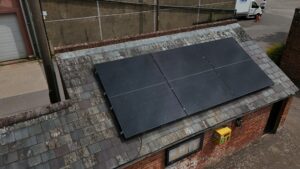
My Home Solar can help homeowners compare panels from several established manufacturers. These include Energizer, Aiko, JA Solar and Trina Solar.
The right choice will depend on the individual property and the objectives of the installation.
Energizer solar panels may appeal to homeowners who want a recognisable brand, modern N Type technology and a choice of higher output models.
Selected models offer dual glass construction and outputs approaching 500W. However, the highest wattage panel is not automatically the best option for every home. Its physical dimensions, weight and suitability for the available roof space must also be considered.
Aiko solar panels focus strongly on panel efficiency and appearance. Their high efficiency designs can be valuable for properties with restricted roof space because they may allow more generating capacity to be installed within a smaller area.
Aiko may also be considered by homeowners who prefer a sleek, all black appearance. However, the final decision should still take account of cost, panel dimensions, warranty terms and compatibility with the rest of the system.
JA Solar is an established global solar manufacturer with panels available for residential and commercial installations.
Its panels can offer a practical balance between performance, recognised manufacturing experience and overall system cost. Depending on the model available, JA Solar may suit homeowners who want dependable technology without necessarily choosing the highest priced panel.
Trina Solar panels are also used across residential and commercial projects.
The manufacturer offers several panel technologies and output levels. Trina Solar can therefore be worth considering when you require an efficient system from a large and established solar manufacturer.
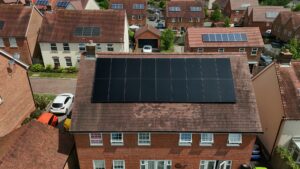
Panel wattage tells you the maximum output a panel can achieve under standard test conditions. A 495W panel has a higher rated output than a 440W panel, but this figure does not tell you how much electricity the complete system will generate at your home.
Annual solar generation can be influenced by:
A physically larger panel may provide more power, but several smaller panels could sometimes make better use of an irregular roof. This is why My Home Solar begins with an assessment of the property rather than recommending the same panel to every homeowner.
Solar panels do not need hot weather to generate electricity. They produce electricity from daylight and can continue operating during cloudy conditions.
Output will generally be higher during brighter and longer summer days. Nevertheless, a correctly designed system will continue generating throughout the year.
Energizer states that its panels undergo durability testing and are designed for demanding environmental conditions. Its latest panels are also promoted as providing effective low light performance.
When comparing panels for a UK installation, My Home Solar can consider the manufacturer’s mechanical load ratings, temperature coefficient, product warranty and performance warranty. These details provide a more meaningful indication of suitability than general marketing claims about weather resistance.
The UK solar market is developing quickly. In the first six months of 2026, almost 150,000 MCS certified solar installations were completed. Battery storage also grew substantially, with 92 per cent of certified battery installations fitted to properties with solar panels. This illustrates the growing demand for complete home energy systems rather than panels alone. MCS reported these installation trends in August 2026.
Modern residential panels commonly provide considerably more power than older models. Energizer’s current N Type range includes panels between 435W and 495W, while other manufacturers offer their own high output alternatives.
Higher output panels can be particularly useful when roof space is limited. However, efficiency, dimensions and likely annual generation should be considered alongside wattage.
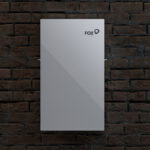
More homeowners are choosing to combine solar panels with battery storage.
A battery can store surplus solar electricity generated during the day. The household can then use this electricity later, such as during the evening when the panels are producing less or no electricity.
Some systems can also charge a battery from the grid during cheaper periods. The suitability and potential savings will depend on the battery, electricity tariff, household consumption and system settings.
Modern solar and battery systems commonly include an app or online portal. This can allow homeowners to monitor solar generation, household consumption, battery charge and electricity exported to the grid.
Monitoring does not increase generation by itself. However, it can help you understand how your home uses electricity and identify opportunities to use more of your solar energy.
Eligible households can receive payments for surplus renewable electricity exported to the grid through the Smart Export Guarantee.
Rates and eligibility requirements vary between suppliers, so homeowners should compare the available tariffs rather than assuming that every provider pays the same amount. Ofgem advises generators to contact participating electricity suppliers directly for current tariff information. Read Ofgem’s Smart Export Guarantee guidance.
Appearance has become an increasingly important consideration, particularly for panels fitted to the front of a home.
All black panels can create a more uniform finish by reducing the contrast between the cells, frame and backing material. Energizer and several competing manufacturers now offer panels designed with appearance as well as performance in mind.
Qualifying solar panel and electrical battery installations in residential accommodation currently benefit from a temporary zero rate of VAT. Under the present rules, this applies until 31 March 2027. From 1 April 2027, qualifying installations are due to return to the reduced VAT rate of 5 per cent. HMRC provides full guidance on the current relief.
If you are considering solar panels, requesting a quotation now will allow you to understand the potential cost and suitability of an installation before the VAT rules change.
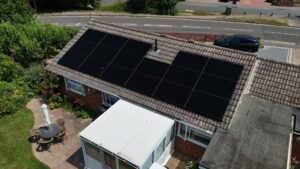
There is no single price for an Energizer solar installation because the panels form only one part of the complete system.
Your quotation may be influenced by:
A lower panel price does not necessarily produce better overall value. Equally, choosing the most expensive panel does not guarantee the best result.
A useful quotation should explain the proposed system size, estimated annual generation, equipment included, applicable warranties and expected installation work. This allows you to compare complete solar systems rather than isolated panel prices.
My Home Solar provides tailored solar panel and battery installations for homes across much of England and Wales.
We are MCS certified and RECC approved. Our process begins with a consultation and property assessment, allowing us to understand your electricity consumption, roof layout and reasons for installing solar.
We can then compare appropriate panel, inverter and battery options before designing a system around your requirements. This may include Energizer solar panels or an alternative manufacturer where another panel is better suited to your roof, budget or desired system capacity.
Our aim is not simply to fit the greatest possible number of panels. It is to provide a carefully designed system that works effectively as part of your home.
Energizer solar panels offer modern technology, including N Type cells and dual glass construction on selected models. However, no single brand is automatically best for every property. Aiko, JA Solar and Trina Solar also offer competitive panels. The right choice depends on your roof space, budget, preferred appearance and energy requirements.
Solar panels are designed to operate for several decades. The manufacturer offers warranties of up to 30 years on selected Energizer panels. You should check the product warranty and performance warranty for the exact model included in your quotation.
Yes. Solar panels generate electricity from daylight rather than heat. Output will usually be lower under heavy cloud than in strong direct sunlight, but the panels can continue generating electricity.
Not necessarily. Higher wattage can be valuable when roof space is limited, but dimensions, efficiency, price and roof layout are also important. The best system is the one that makes effective use of the available space and suits your electricity consumption.
Solar panels can be incorporated into a system that includes compatible battery storage. The inverter and battery must be selected and configured correctly. My Home Solar can discuss battery storage when designing your installation.
You may be able to receive payments for eligible electricity exported to the grid through a Smart Export Guarantee tariff. Payment rates and requirements vary between electricity suppliers.
Qualifying residential solar panel and battery installations currently benefit from zero rated VAT until 31 March 2027. Under the present rules, the rate will change to 5 per cent from 1 April 2027.