- 31b Great Western Road Dorchester Dorset DT1 1UF
- [email protected]

Call Us
0800 193 3933
Renewable energy comes from sources that are naturally replenished, including sunlight, wind and water. For most homeowners, solar power is the most practical way to generate renewable electricity on their own property.
Installing solar panels can reduce the amount of electricity you need to buy from the grid. Adding battery storage can allow you to keep more of the electricity generated during the day and use it later, including during the evening. Smart controls, suitable energy tariffs and thoughtful changes to when you use electricity can make the complete system even more effective.
However, it is important to be realistic about what it means to power a home with renewable energy. A solar panel system will not necessarily meet every electricity requirement throughout the year. Generation changes with the season, weather, roof and system size. A battery can store electricity, but it cannot create it.
For many households, the most practical goal is to generate and use as much renewable electricity as possible while retaining a grid connection for flexibility. A carefully designed solar and battery system, combined with an appropriate renewable electricity tariff, can help you move much closer to that goal.
If you are exploring renewable energy for your home in Dorset, My Home Solar can assess your property, explain the options and prepare a system proposal based on your electricity use. Request a free solar quote to begin.
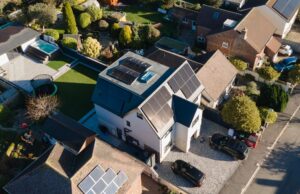
One of the clearest recent changes in the UK market is the move from buying individual products to creating a connected home energy system. Homeowners are increasingly considering solar panels, battery storage, electric vehicle charging and smart tariffs together.
This approach can offer several practical advantages:
Modern solar panels also provide greater power from a relatively limited roof area than many older modules. Meanwhile, modular battery systems can give some households the option to increase storage capacity if their needs change. This is useful for anyone considering an electric car, heat pump or other increase in household electricity consumption.
The right combination will depend on the property. A large battery is not automatically the best battery, just as the greatest possible number of panels does not always produce the best financial result. Good design begins with evidence, including your energy bills, daily consumption pattern, roof space, shading and future plans.
Solar panels generate electricity from daylight, not from heat. This means they can continue working on cloudy days and throughout winter, although output is usually lower when daylight hours are shorter.
Dorset includes a broad mixture of properties, from modern homes in Dorchester and Weymouth to older cottages, listed buildings and coastal properties. Each requires an individual assessment. A solar survey should consider:
South facing roofs often perform well, but they are not the only option. East and west facing arrays can also be effective. In some homes, they provide a broader period of generation across the morning and afternoon, which may fit household use particularly well.
Most domestic solar panel installations in England may fall within permitted development rights when the relevant limits and conditions are met. Nevertheless, planning requirements should always be checked for the individual property. This is particularly important for listed buildings and sensitive locations. Dorset Council states that installing solar panels on a listed building may require listed building consent. Homeowners should therefore obtain the necessary advice before work begins.
The starting point is not the number of panels you can fit. It is how and when your household uses electricity.
Review recent bills and, if available, half hourly smart meter data. Consider which appliances use the most electricity and whether consumption is highest during the day or evening. A household with someone at home during daylight hours may use solar electricity directly. A household that is usually empty during the day may gain more from battery storage or from scheduling appliances to run while the panels are generating.
You should also consider future changes. If you expect to buy an electric vehicle, install air conditioning, replace gas heating or add a heat pump, your electricity requirements may rise. Telling your installer about these plans can help them design a system that remains suitable for longer.
A professional system design should balance expected generation, available roof space, household demand and budget. It should also account for the performance of the complete system rather than focusing only on the headline wattage of an individual panel.
My Home Solar supplies solar panels from established manufacturers including Aiko Solar, JA Solar and Trina Solar. The most suitable panel will depend on factors such as available roof area, required output, appearance, warranty and compatibility with the rest of the system.
The inverter is equally important because it converts the direct current electricity produced by the panels into alternating current electricity that can be used within the home. Where shading affects part of the array, an installer may also discuss panel level optimisation. This can help limit the effect that one shaded or underperforming panel has on the wider system when the design justifies it.
An accurate proposal should include an estimated annual generation figure and explain the assumptions behind it. It should not promise the same output for every property.
Solar battery storage can increase the proportion of your own solar electricity that you use at home. Instead of automatically exporting surplus generation, the system can store some of it for use after the panels have stopped generating enough electricity.
Battery capacity should be matched to your circumstances. Important considerations include:
Not every battery system supplies power during a grid outage. Backup operation requires suitable equipment, design and electrical work. If this matters to you, raise it during the survey so that it can form part of the system specification.
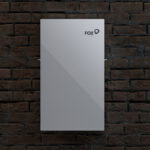
My Home Solar offers battery options from manufacturers including Fox ESS, Enphase, SolarEdge, Sigenergy and Tesla. Rather than selecting a battery on brand recognition alone, compare how well its capacity, power, controls, warranty and installation requirements suit your home.
The latest home energy systems are becoming more intelligent. Monitoring platforms can show how much electricity your panels are producing, how full the battery is and when the home is importing from or exporting to the grid. This information can help you make better decisions about energy use.
Useful solar panel add ons may include:
Smart technology should serve a clear purpose. The best additions are those that reflect how you live and help you use more of the electricity your system generates.
Solar panels can reduce the electricity you import, while the Smart Export Guarantee can pay eligible households for electricity exported to the grid. Payments are not automatic. You must apply to an export tariff provider and meet its eligibility requirements.
According to current guidance from the Energy Saving Trust, households will usually need an eligible renewable energy system, appropriate certification and a smart meter capable of recording exports. Export rates and conditions vary between suppliers, so it is sensible to compare the complete tariff rather than considering the export rate in isolation.
Some suppliers also offer time based import tariffs. These can work well with certain batteries because the system may be able to charge when grid electricity is cheaper and reduce imports during more expensive periods. Actual savings depend on the tariff, system settings and your usage pattern, so they should never be treated as guaranteed.
At the time of writing in September 2026, qualifying installations of solar panels and electrical battery storage in residential accommodation in Great Britain can benefit from zero rated VAT. Under the current legislation, this temporary zero rate is due to end on 31 March 2027. Qualifying installations are expected to return to the reduced VAT rate of 5 per cent from 1 April 2027 unless government policy changes.
The installer is responsible for applying the correct VAT treatment, and eligibility depends on the circumstances of the supply and installation. Homeowners considering solar may therefore wish to obtain a quotation in good time, while avoiding rushed decisions or unsuitable systems.
The Smart Export Guarantee provides a separate opportunity to receive payment for eligible exported electricity. It is not a grant towards the purchase price of the system, and tariff rates are set by participating suppliers.
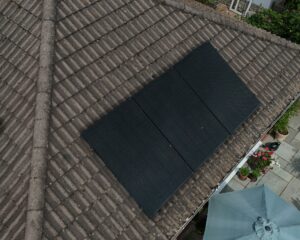
Your installer influences the quality of the survey, system design, installation and aftercare. Look beyond the headline price and ask what is included in the quotation.
Useful questions include:
My Home Solar is based in Dorchester and provides solar panel and battery storage installations across Dorset and further afield. The company is MCS certified and RECC approved, and its team designs systems around the individual property and household rather than offering one standard arrangement to everyone.
If you live in Dorchester, Weymouth, Bridport, Sherborne, Poole, Bournemouth or elsewhere in Dorset, the first step is a conversation about your roof, electricity use and goals. Contact My Home Solar or request a free quote for a tailored solar assessment.
Some homes can generate a large proportion of their annual electricity with solar panels, particularly when the system is well designed and paired with battery storage. However, output changes by season and weather, so most households remain connected to the grid. Combining solar with a suitable renewable electricity tariff can support the wider aim of using cleaner electricity when the panels and battery cannot meet demand.
Yes. Solar panels use daylight and can generate electricity in cloudy conditions. Output is generally lower during winter because days are shorter and sunlight is weaker, which should be reflected in the installer’s annual generation estimate.
No. Solar panels can reduce grid imports without a battery, especially when a household uses plenty of electricity during daylight hours. A battery may help you use more of your own generation later in the day, but its value depends on capacity, usage, tariffs and cost.
A standard grid connected solar system normally shuts down during a power cut for safety. Some battery systems can provide backup electricity when they include the correct backup equipment and electrical design. Ask for this specifically if backup power is important to you.
Many domestic installations may qualify as permitted development, subject to limits and conditions. Different requirements can apply to listed buildings, conservation areas and properties affected by other restrictions. Check the position for your property before installation. Dorset Council advises that installing panels on a listed building may require listed building consent.
Eligible households can apply for a Smart Export Guarantee or another qualifying export tariff. You will need suitable export metering, and providers may request an MCS certificate or equivalent evidence. Rates and conditions differ, so compare available tariffs carefully.
Savings vary according to system size, generation, electricity prices, household consumption, the amount of solar electricity used on site and any export payments. A tailored quotation should provide an estimate based on your home rather than a national headline figure.
Moving towards renewable energy does not require every home to follow the same formula. The strongest results come from understanding how your household uses electricity and designing the solar panels, battery and controls around those needs.
For homeowners in Dorset, My Home Solar provides professional advice, system design and installation from its base in Dorchester. Whether you want solar panels, battery storage or a more complete smart energy system, the team can explain the available options and help you decide what is appropriate for your property.
Request your free solar quote today and discover how much renewable electricity your home could generate.