- 31b Great Western Road Dorchester Dorset DT1 1UF
- [email protected]

Call Us
0800 193 3933
Solar power is becoming an increasingly familiar sight across Dorset. From Dorchester and Weymouth to Poole, Bournemouth and Christchurch, more property owners are considering how they can generate clean electricity and reduce their reliance on the grid.
This growth is part of a wider national shift. Government figures published in August 2026 showed that nearly 172,000 solar installations had been completed across the UK since the beginning of the year. The South West recorded 17,539 installations during that period, while its total number of installations had risen by 13 per cent compared with the previous July.
As more solar panels are fitted, however, another question is becoming more important: what happens to them when they eventually reach the end of their useful life?
Solar panels are designed to work for decades, but no electrical product lasts indefinitely. Responsible recycling helps recover useful materials, keeps equipment out of general waste and supports a more circular approach to renewable energy. If you are considering solar panels for your home, sustainability should therefore include product quality, system design, maintenance, repair and responsible end of life treatment.
Get a free solar quote from My Home Solar
Yes, solar panels can be recycled. A typical crystalline silicon panel contains several materials that may be separated and recovered, including glass, aluminium, copper, silicon and plastics. Junction boxes, frames and cables can also be removed during treatment.
The precise process depends on the panel. Mechanical recycling is currently the most common commercial approach for crystalline silicon modules and can separate bulk materials such as glass and aluminium. Thermal and chemical methods are also developing to recover materials such as silicon and silver at a higher purity.
Research published by the International Energy Agency Photovoltaic Power Systems Programme in 2026 found measurable improvements in solar module recycling, including better process yields, material recovery and output purity. The report also noted that the industry still needs greater transparency and more consistent data.
The quantity and quality recovered will vary according to the panel and recycling technology. It is therefore important to use a legitimate specialist route rather than treating a panel as ordinary household or construction waste.
Modern solar panels are commonly designed to generate electricity for 25 years or more. Reaching this age does not mean that a panel will suddenly stop working. Its output will usually decline gradually over time, and a well performing system may continue generating beyond its original warranty period.
Several factors can affect the working life of a system, including:
For properties near the Dorset coast, wind exposure, salt in the air and roof condition should all be considered during the survey. An older panel should not automatically be removed simply because a newer model is available. Continuing to use safe equipment that performs well can be more sustainable than premature replacement.
Solar photovoltaic panels fall within the UK framework for waste electrical and electronic equipment, commonly known as WEEE. Updated government guidance identifies photovoltaic panels as their own collection stream, known as stream E.
This means old panels should be kept separate from general waste and passed through an appropriate collection and treatment route. Government guidance states that when an approved designated collection facility receives photovoltaic panels, it should keep them separate and arrange dedicated collection, treatment, recovery and environmentally sound disposal through its contracted producer compliance scheme.
Not every household recycling centre will accept solar panels directly. Dorset residents should therefore check with the local authority, their installer or an appropriate waste electrical contractor before transporting panels anywhere.
Avoid removing roof mounted panels yourself. They form part of an electrical system and may continue generating direct current electricity in daylight. A professional should first establish whether the panel is genuinely at the end of its life, as a fall in generation may instead be caused by an inverter fault, shading, a damaged connector or a monitoring problem. Safe equipment may be suitable for repair or reuse. Panels that cannot remain in service should be professionally isolated, removed and passed into a legitimate WEEE route for specialist treatment.
The environmental value of solar should extend across the full life of the equipment. Responsible treatment keeps bulky electrical products out of general waste, while recovering aluminium, glass, copper and other materials can reduce demand for newly extracted resources. A regulated route also gives homeowners greater confidence that equipment can be managed properly when it can no longer be used.
The local move towards renewable energy is already visible. In January 2026, Dorset Council outlined a wider programme of approximately 2.25 MW of solar panels on council buildings. The authority described the programme as roughly equivalent to 640 typical home systems. This public investment, alongside rising household demand, shows why long term planning for solar equipment matters across the county.
The solar market in 2026 is not solely focused on installing more panels. Homeowners increasingly want systems that make better use of the electricity they generate and remain suitable as their needs change.
Modern high efficiency panels can generate more electricity from a limited roof area. This can be particularly helpful on smaller roofs or properties with more complex layouts. My Home Solar currently offers panel options from manufacturers including Aiko, JA Solar and Trina Solar.
Efficiency is important, but it should not be considered in isolation. Product warranties, expected degradation, compatibility, roof suitability and installation quality all influence the value and longevity of a system.
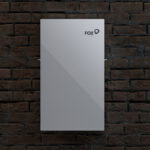
A solar battery can store surplus electricity generated during the day for use later. This can increase self consumption and reduce the amount of electricity a household needs to import from the grid.
Current battery options are increasingly modular and supported by intelligent energy management. My Home Solar supplies systems from brands including Fox ESS, Enphase, SolarEdge, SigEnergy and Tesla. Storage capacity is measured in kilowatt hours and should be selected according to the property’s generation, electricity use and future plans. A tailored design is more sustainable than choosing equipment solely because it has the highest capacity.
Monitoring platforms show when panels are generating, how much electricity a property is using and when energy is being imported or exported. Together with smart tariffs, battery scheduling and compatible electric vehicle charging, this can help households use each unit of solar electricity more effectively.
A household may later add a battery, electric vehicle charger or heat pump. Discussing these plans before installation helps the designer consider inverter capacity, roof space and future demand. It does not mean buying the largest possible system. The aim is to design around realistic present and future needs.
Inverters, batteries, optimisers and monitoring equipment have different working lives and recycling requirements. A solar battery should never be placed in household rubbish or treated in the same way as a panel. In many cases, one component can be repaired or replaced without removing the array, so arrange a professional diagnosis before deciding that a whole system has reached the end of its life.
If you are comparing solar panel installers in Dorset, ask questions that look beyond the initial quotation.
My Home Solar is based in Dorchester and provides residential and commercial solar panel installations. The company is MCS certified and RECC approved, and its team can design a system around the property, roof, electricity use and available budget.
Whether you are considering panels alone, a complete home solar system or battery storage, a tailored assessment can help you avoid unnecessary equipment and choose a system intended to deliver lasting value.
Contact My Home Solar for a free solar quotation
Yes. Solar panels can enter a specialist WEEE collection and treatment route. Materials such as glass, aluminium and copper may be separated and recovered, although the precise outcome depends on the panel and the recycling process.
Do not assume that every household recycling centre will accept them. Contact Dorset Council or the relevant site before travelling. An installer or specialist electrical waste contractor may also be able to advise on the appropriate collection route.
Solar panels should not be mixed with general skip waste. They are electrical equipment and should be kept separate for appropriate treatment. Arrange professional removal and confirm the intended waste route before work begins.
Not necessarily. Many panels continue generating after 25 years, although their output may be lower than when they were new. Their condition and performance should be assessed before replacement is recommended.
No. Solar batteries require a separate recycling route appropriate to their chemistry and construction. They should never be placed in household rubbish or dismantled by the homeowner.
Solar panel recycling matters, but sustainability begins long before a panel reaches the end of its life. It begins with reliable equipment, careful design, professional installation and continued performance monitoring. For homeowners and businesses across Dorset, a well planned system can generate clean electricity for decades while supporting responsible future resource recovery.
My Home Solar can assess your property, discuss solar panels and battery storage, and prepare a system proposal based on your electricity needs. To take the next step, contact the My Home Solar team or call 0800 193 3933 to request a free quotation.